 Ever wondered why your home inspector flagged your plumbing during a sale? Or why that bathroom remodel you did five years ago is suddenly a problem? The culprit is usually code violations hiding in your walls and under your floors.
Most Utah homeowners have at least one plumbing code violation in their home right now. Sometimes it’s from outdated installations. Other times it’s from well-meaning DIY projects gone wrong.
Let’s uncover the most common plumbing code violations in Utah homes and show you exactly how to fix them.
Why Utah Plumbing Code Actually Matters
We know. Plumbing codes aren’t exactly thrilling reading. But Utah’s residential plumbing codes exist for a reason: they protect your family, your property, and your wallet.
When shortcuts are taken or DIY fixes go wrong, code violations happen. Some seem minor but can lead to water damage, health risks, or failed inspections when you’re trying to sell.
Another important point: plumbing codes change. What passed inspection ten years ago might not meet today’s standards. Staying informed (or hiring someone who is) really does matter.
Improper Drain Venting
This is one of the most common plumbing violations we see all the time. Every drain in your house needs proper ventilation to work correctly. Think of vents as your plumbing system’s lungs. They allow air into your pipes so water flows smoothly and sewer gases escape outside where they belong.
Many older Utah homes just don’t have adequate venting. Some DIY plumbing mistakes include connecting drains without vents or using the wrong vent size.
You might notice slow drains, annoying gurgling sounds, or sewer smells if your venting is wrong. Poor venting can even make drain cleaning more difficult when you develop a clogged drain because the system can’t breathe properly.
How to fix improper drain venting
A licensed plumber can install proper venting that meets plumbing code Utah standards. This usually means adding vent pipes that run through your roof or connecting to existing vent stacks the right way.
Incorrect Pipe Slope
Drain pipes must be sloped just right. Too flat, and waste sits in the pipe. Too steep, and water outruns solid material, leading to clogs. Utah plumbing codes specify exact slope requirements based on pipe size.
This violation commonly shows up after bathroom remodels or basement finishes done without proper knowledge. Incorrect slopes cause recurring clogs and can lead to sewer line backups.
How to correct drain pipe slope
Professional plumbing services can measure and adjust pipe slopes. While this may involve opening walls or floors, fixing it now prevents constant drain cleaning and future damage.
Missing or Broken Cleanouts
Cleanouts allow plumbers to access your drain lines when clogs occur. Utah law says they must be in certain places. However, many older homes either lack them or hide them behind walls or floors.
Without proper cleanouts, clearing a clogged drain becomes more invasive and expensive. For sewer line issues, cleanout access can be the difference between a quick fix and digging up your yard.
How to add plumbing cleanouts
A plumber can add code-compliant cleanouts during an inspection or repair, making future maintenance faster and far less disruptive.
Wrong Pipe Materials
Not all pipes are created equal. Using the wrong materials, or ones that are no longer allowed, is a common violation, especially in older homes.
Polybutylene pipes, once popular, are now known to fail. Lead pipes pose serious health risks. Even mixing incompatible metals can cause corrosion over time.
How to replace outdated pipe materials
A thorough plumbing inspection checklist will identify outdated or incorrect pipe materials. Replacing them with approved materials like PEX or copper prevents future failures and meets current plumbing safety standards.
Improper Water Heater Installation
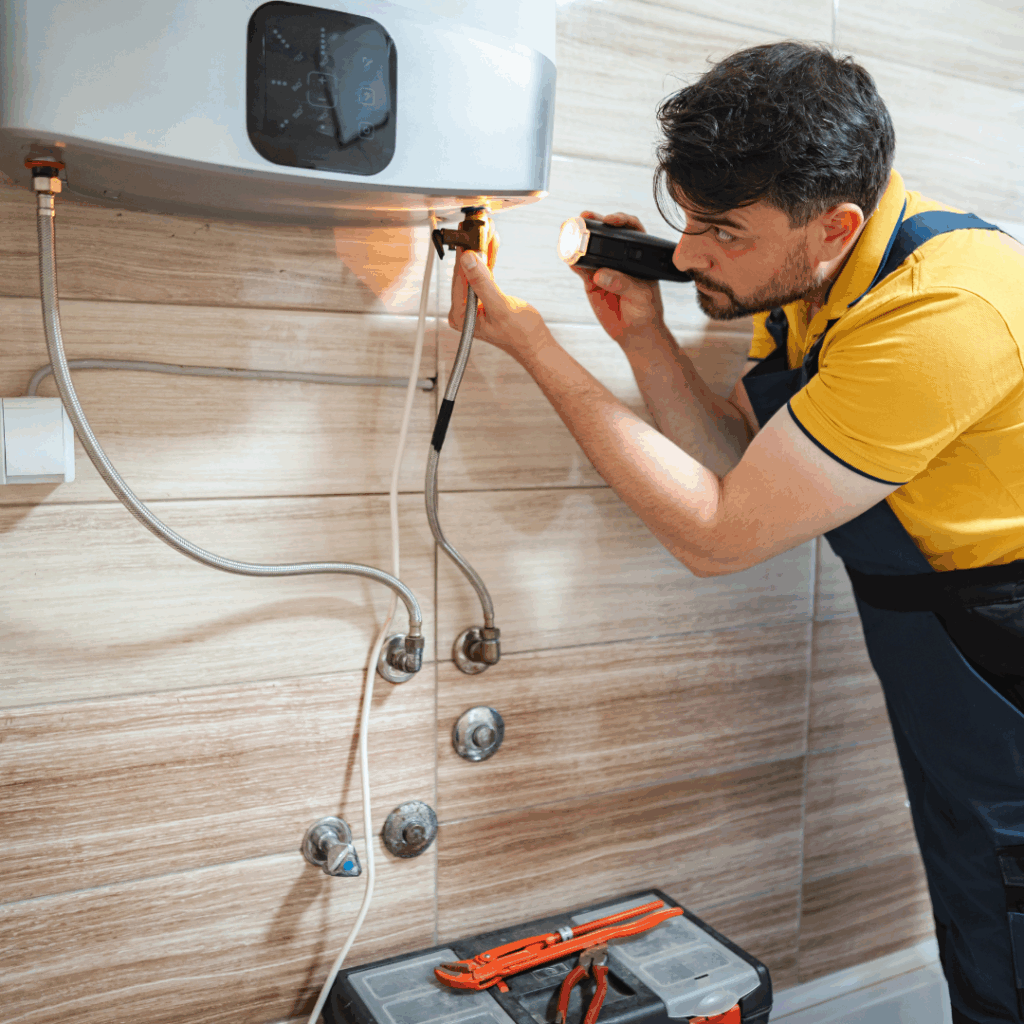 Water heater violations are more than paperwork issues. They’re serious safety hazards. Common problems include improper venting, missing drain pans, incorrect gas or electrical connections, and lack of required safety features.
Tankless water heaters are especially prone to DIY mistakes. They have specific requirements for gas line sizing, venting, and electrical loads, and incorrect installation can create dangerous conditions.
How to fix water heater code violations
Never DIY a water heater installation. Professional plumbing services ensure your unit meets all safety codes, whether it’s a traditional tank or a tankless system.
Cross Connection Issues
Cross connections happen when your clean water supply could mix with contaminated water. This is a serious violation that puts your drinking water at risk. Common examples include garden hoses left in pools, irrigation systems without backflow preventers, or washing machine hoses submerged in water.
Utah takes water safety seriously, and you should too. Fixing plumbing violations like these protects not just your family but your entire neighborhood’s water supply.
How to fix cross connections
Install backflow prevention devices on outdoor faucets and irrigation systems. A licensed plumber can also test these devices annually to ensure they’re working properly.
Outdated Fixture Installations
Fixtures that aren’t installed correctly can cause leaks, flooding, and safety issues. Toilets without proper wax rings leak. Faucets without shutoff valves make emergencies worse. Shower valves installed at the wrong height or temperature can violate safety and accessibility codes.
Many DIY plumbing mistakes happen here because fixture installation looks easy.
How to upgrade outdated plumbing fixtures
Upgrading fixtures during remodels ensures they meet current standards and prevents issues during resale inspections.
Missing Permits
This one surprises a lot of homeowners. Many plumbing projects require permits, and skipping them is a violation. Even if the work itself meets code.
Unpermitted work often causes problems when selling a home or filing insurance claims. Previous owners or DIYers may have skipped permits, leaving you with the fallout.
How to resolve missing permits
You may need inspections, evaluations, or even opening walls to certify past work. Going forward, always use licensed plumbers who handle permits automatically.
Insufficient Trap Seals
Every drain needs a trap to block sewer gases. Traps that are missing, shallow, or improperly installed won’t do their job. Basement and garage floor drains are common offenders, especially when the water in the trap evaporates over time.
How to correct insufficient trap seals
Replace incorrect traps and ensure proper depth. For floor drains, pour water down monthly or install trap primers that keep seals intact automatically.
What to Do About Violations in Your Home
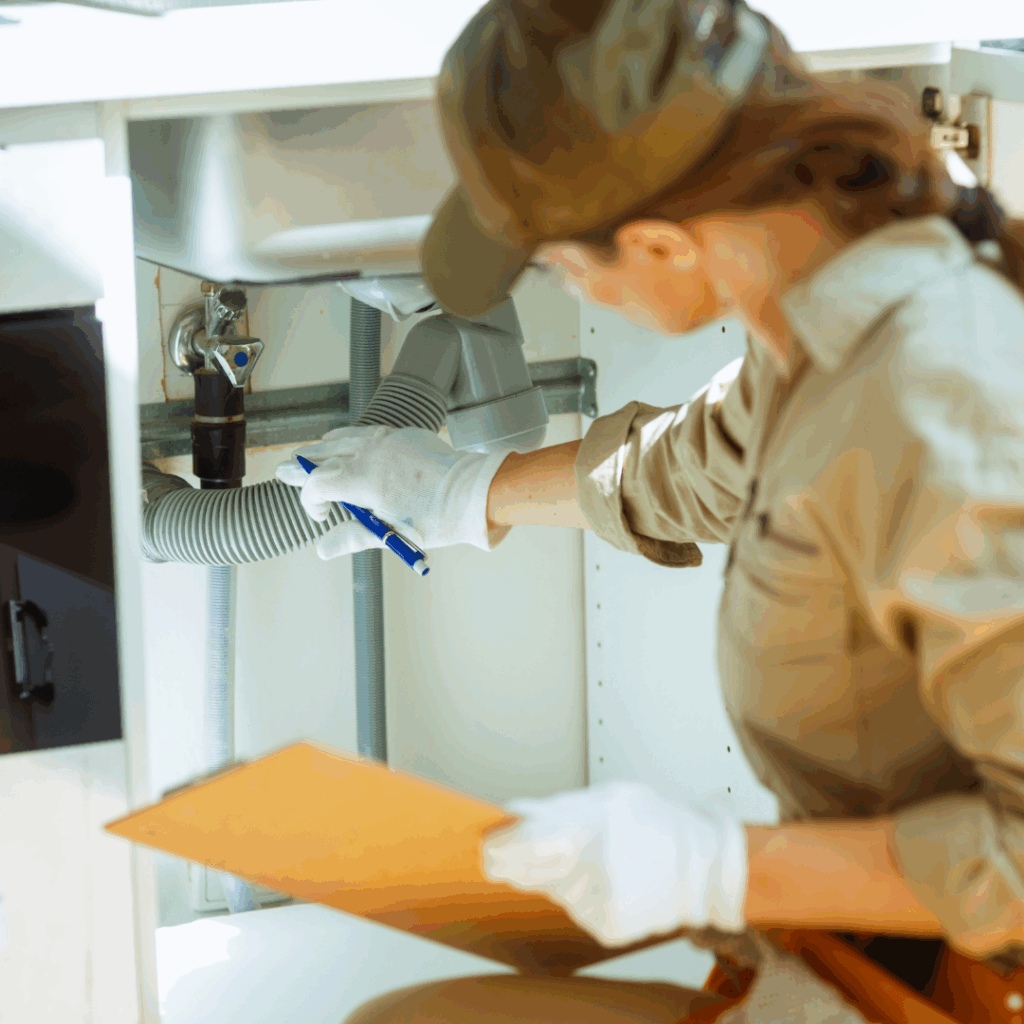
If a home plumbing inspection uncovers violations, don’t panic. Most issues are completely fixable.
- Schedule a residential plumbing inspection
- Review the report carefully
- Prioritize safety-related violations
- Hire licensed plumbers for repairs
- Make sure permits are pulled and documented
Plumbing code upgrades protect your home’s value, your family’s safety, and save you from costly water damage later.
Don’t Let Code Violations Become Major Problems
Your plumbing system is too important to ignore. Whether you’re buying a home, remodeling, or just want peace of mind, fixing Utah plumbing code violations early saves time, money, and stress.
At 24 Hour Rooter Connectionz, we know Utah plumbing code inside and out. Our team provides thorough inspections, handles permits, uses approved materials, and fixes violations right the first time. From drain cleaning and sewer line repairs to full system upgrades, we’ve got you covered.