sewer camera inspections

Your home’s sewer system works hard every single day. It carries away wastewater and keeps your property clean and safe. But what happens when something goes wrong deep underground? That’s where sewer camera inspections come in to save the day.

What Are Sewer Camera Inspections?

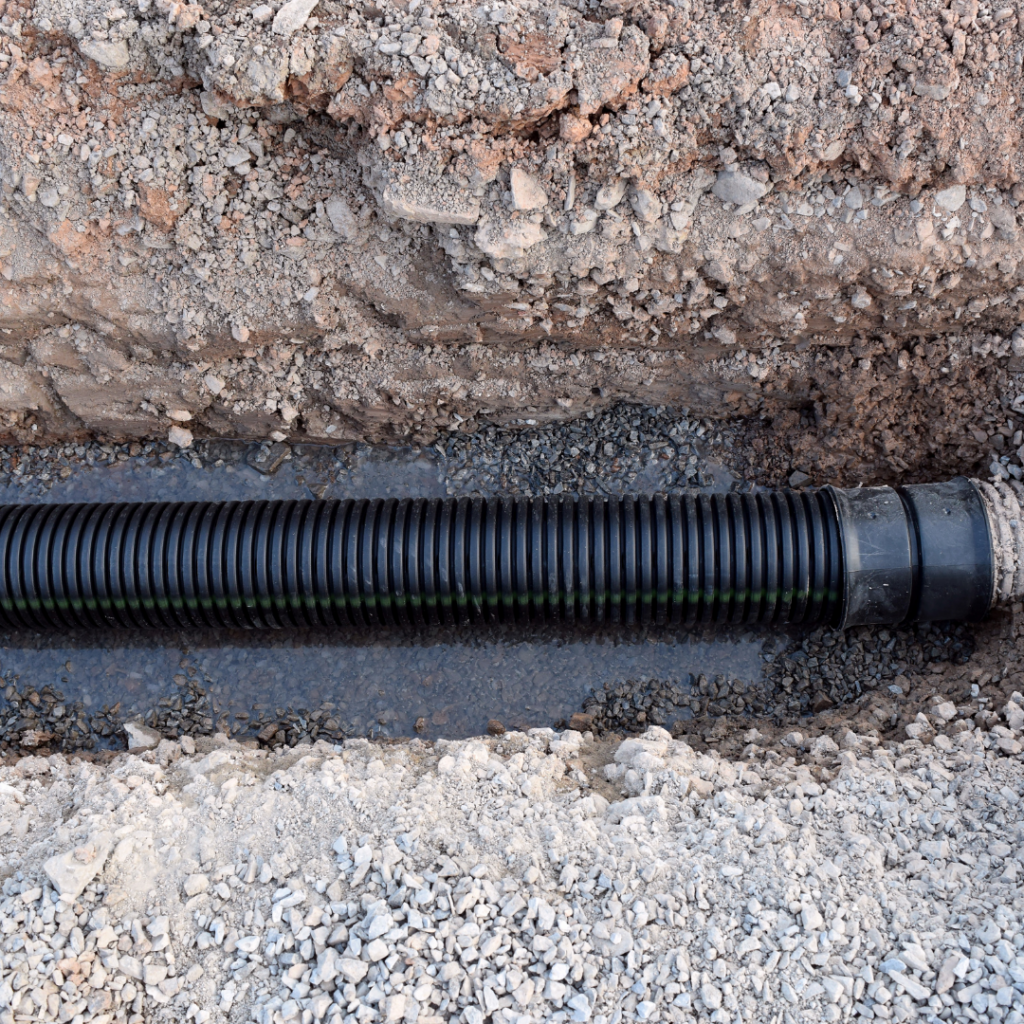
A sewer camera inspection uses a special waterproof camera attached to a flexible cable. A trained technician feeds this camera through your pipes to see what’s happening inside. The camera sends live video to a monitor above ground. This lets the technician spot problems without any digging.

This technology has changed the plumbing industry. Before cameras, finding pipe problems meant guessing and digging in multiple spots. Now, we can see exactly what’s wrong and where it’s located.

Common Problems Found During Drain Inspections

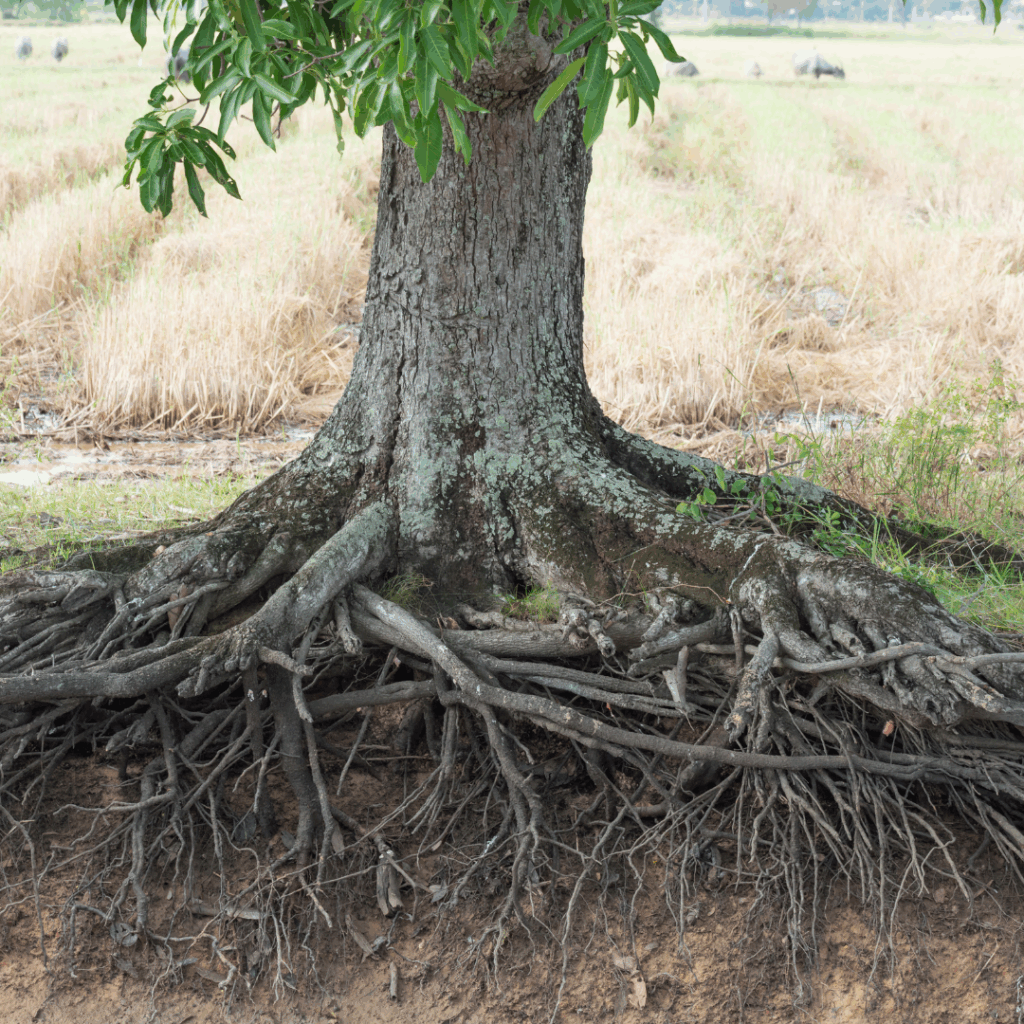
Sewer cameras reveal many hidden issues. Tree roots are one of the biggest culprits. They grow into pipes through tiny cracks, searching for water. Over time, these roots create major blockages.

Grease buildup is another common problem. Kitchen waste sticks to pipe walls and builds up over years. This narrows the pipe opening and slows water flow.

Cameras also find broken or collapsed pipes. Age, ground shifting, or heavy traffic above can damage underground lines. Some older pipes simply crack and crumble after decades of use.

Other issues include:

  • Bellied pipes that sag and collect water
  • Offset joints where pipe sections separated
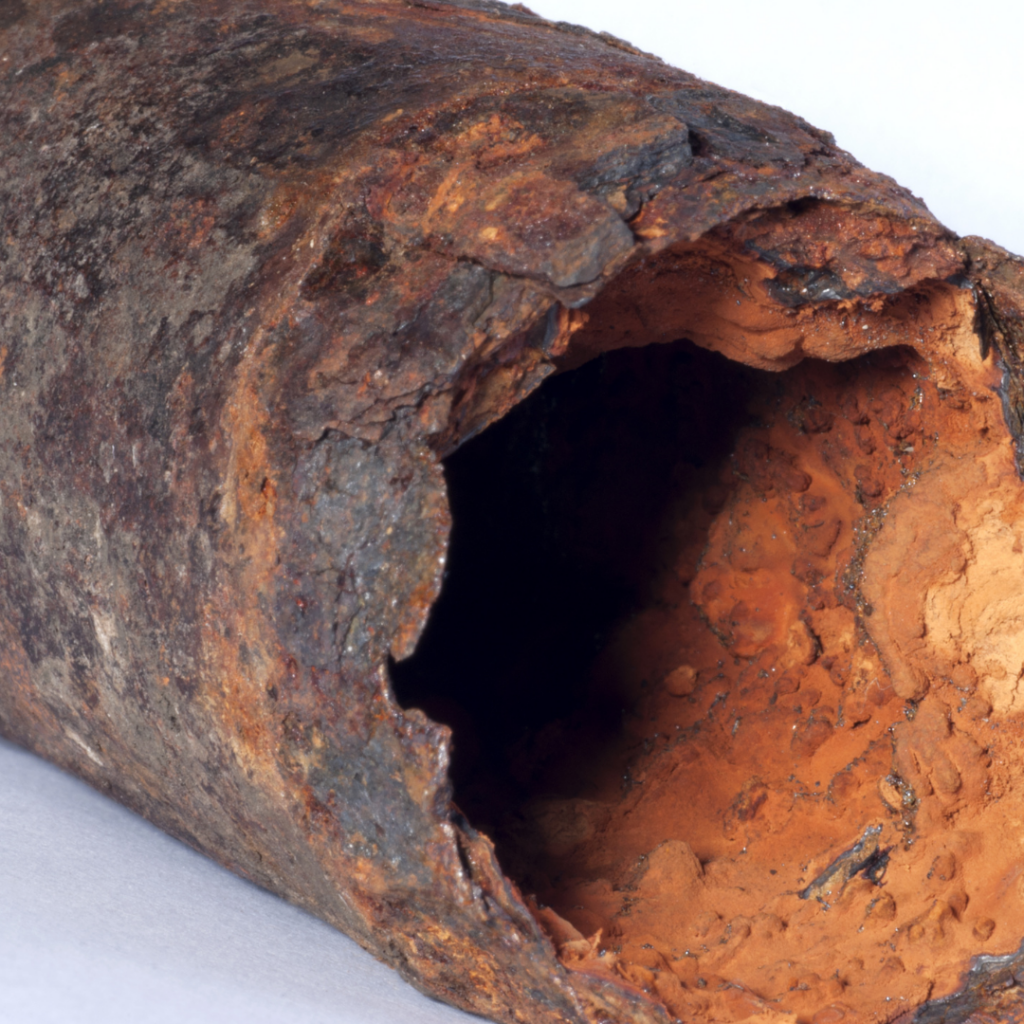
  • Corrosion that eats through metal pipes
  • Foreign objects stuck in the line

How Early Detection Saves You Money

Finding problems early makes a huge difference to your wallet. A small crack caught during a routine sewer line inspection might need a simple trenchless sewer repair. Wait too long, and that crack becomes a complete collapse requiring full sewer replacement.

Think of it like car maintenance. Changing your oil regularly costs much less than replacing a seized engine. The same logic applies to sewer maintenance. Regular checkups catch small issues before they turn into expensive emergencies.

Many homeowners spend thousands on emergency repairs that could have been prevented. Water damage from broken pipes is expensive. Foundation problems from leaking sewers also cost a lot. Additionally, damage to landscapes from emergency digging can be costly.

The Benefits of Trenchless Technology

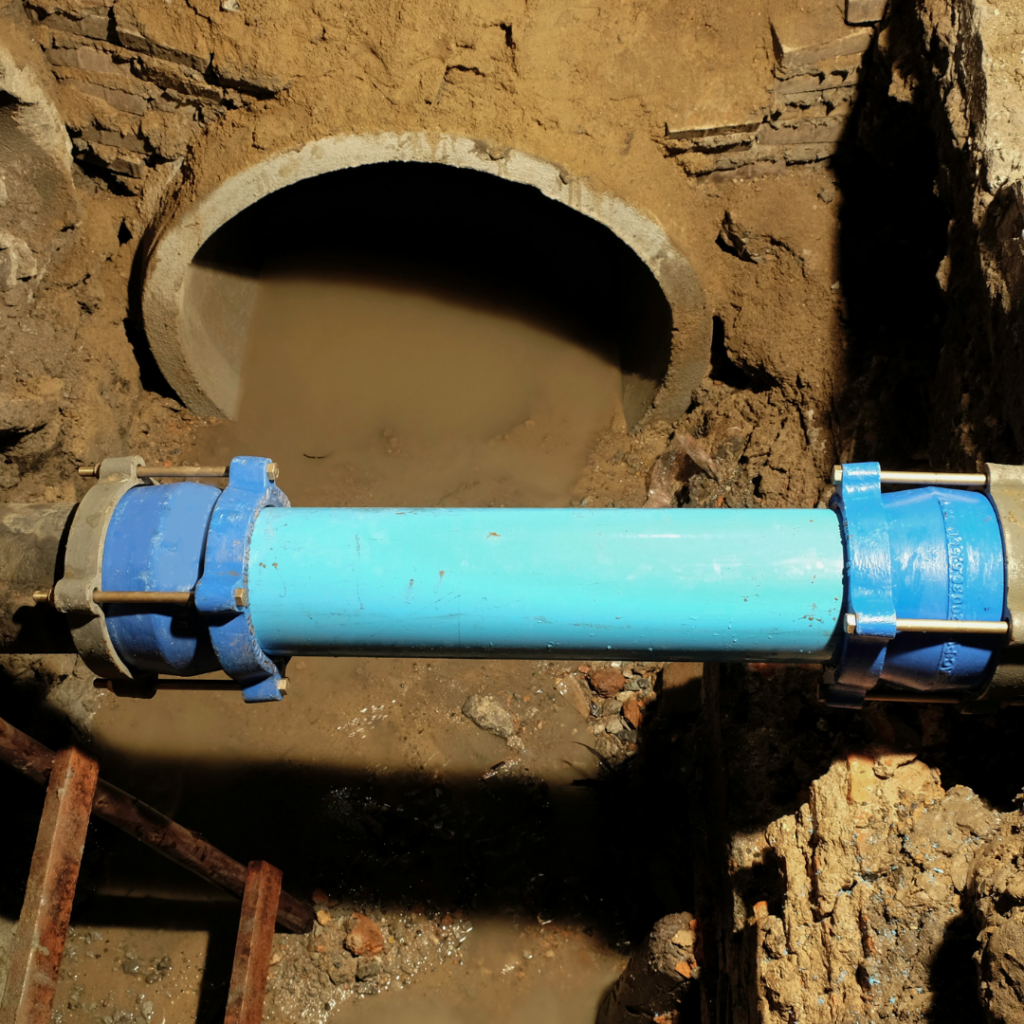
Modern sewer inspection technology pairs perfectly with trenchless sewer line replacement methods. Once the camera identifies a problem, technicians can often fix it without tearing up your yard.

Trenchless methods use existing access points. Workers can repair or replace pipes by pulling new material through the old line. This saves your landscaping, driveway, and sidewalks.

Traditional dig and replace projects can take days or weeks. Trenchless sewer line repairs often finish in a single day. You save time and money while protecting your property’s appearance.

When Should You Schedule a Sewer Inspection?

You don’t need to wait for a disaster to get a camera inspection. Several signs suggest it’s time to check your pipes.

Slow drains throughout your house indicate a main line problem. If multiple fixtures drain slowly at once, the issue is deeper than a single clogged sink.

Gurgling sounds from toilets or drains mean air is trapped in your lines. This often happens when blockages prevent proper water flow.

Foul odors coming from drains signal buildup or damage. Sewage smells should never enter your home through functioning pipes.

Water backing up in unexpected places is a red flag. If flushing one toilet causes water to appear in your shower, you need a professional inspection right away.

Standing water in your yard, especially near sewer lines, suggests a leak. Patches of extra green grass can also indicate sewage fertilizing the soil below.

Older homes benefit from proactive inspections. If your house is over 25 years old, pipes may be reaching the end of their lifespan. A camera check gives you peace of mind or early warning.

What Happens During a Professional Sewer Camera Inspection

The inspection process is straightforward and minimally invasive. A technician locates an access point, usually a cleanout or vent. They feed the camera line into your pipes and watch the video feed carefully.

Modern cameras provide clear, color images. They can rotate 360 degrees to examine every angle. The technician records the inspection for your records.

As the camera moves through your system, the technician notes any problems. They can pinpoint exact locations using the cable’s distance markers. This precision helps plan repairs efficiently.

The entire process typically takes one to two hours. You’ll receive a full report explaining what was found and what actions, if any, are needed.

Complementary Services That Keep Your System Healthy

Sewer camera inspections work great alongside other maintenance services. Hydro jetting services use high-pressure water to blast away buildup and blockages. After a camera identifies problem areas, hydro jetting can clean them thoroughly.

Regular rooter service helps maintain clear lines between inspections. These services cut through roots and remove debris before it causes major issues.

For serious problems, combining inspections with modern repair methods provides the best results. Whether you need a minor patch or complete sewer installation, knowing exactly what’s wrong leads to better solutions.

Protecting Your Investment

Your home is likely your biggest investment. Protecting it includes maintaining systems you can’t see. Underground pipes don’t get attention until they fail, but that’s too late.

Regular sewer maintenance prevents unexpected disasters. It protects your home’s value and your family’s comfort. Most importantly, it gives you control over timing and costs.

Emergency repairs happen at the worst times and cost premium prices. Planned maintenance happens on your schedule at standard rates. That difference can save you thousands of dollars.

Take Action Before Problems Strike

Don’t wait for sewage backing up into your home to think about your pipes. A simple camera inspection today can prevent major headaches tomorrow.

Whether you’re buying a new home, maintaining your current property, or dealing with warning signs, professional inspection provides answers. You deserve to know what’s happening beneath your feet.

24 Hour Rooter Connectionz specializes in thorough sewer camera inspections and all related services. Our experienced technicians use the latest equipment to diagnose problems accurately.

We’re available around the clock because plumbing emergencies don’t wait for business hours. Contact us today to schedule your inspection and protect your home from costly sewer disasters. Our team will answer your questions, explain our findings clearly, and help you make informed decisions about your plumbing system.

sewer line cover

Your home’s sewer line is like the highway for all your wastewater. When it works properly, you never think about it. But when problems strike, they can turn your daily routine upside down. As a Utah homeowner, understanding common sewer pipe issues can save you thousands of dollars and major headaches.

Why Utah Homes Face Unique Sewer Challenges

Utah’s climate creates specific problems for underground pipes. The freeze-thaw cycles stress your sewer line throughout the year. Clay soil expands and contracts, putting pressure on pipes. Add in the age of many Utah homes, and you have a recipe for sewer troubles.

Many builders constructed homes in Salt Lake City, Provo, and surrounding areas decades ago. These older properties often have clay or cast iron pipes that break down over time. Tree roots love to invade these aging systems, creating major blockages.

Common Signs You Have Sewer Line Problems

Don’t wait for sewage to back up into your home. Watch for these early warning signs:

When multiple drains run slowly, it’s not just a coincidence. This usually points to a main sewer line clog rather than individual drain issues.

Sewer gases escaping through your drains signal a problem. These odors shouldn’t come up through your plumbing under normal conditions.

Strange noises from toilets, sinks, or floor drains indicate that air has trapped itself in your system. This often happens when your main line has a partial blockage.

The most obvious sign is water coming back up through drains. This emergency requires immediate attention from professionals offering sewer line repair near me.

Soggy areas in your lawn, especially near your home’s foundation, might indicate a broken underground pipe.

What Causes Sewer Line Damage?

Understanding the root causes helps you prevent problems:

Roots naturally seek water sources. Small cracks in your sewer pipe invite roots inside. Once they enter, roots grow quickly and create major blockages.

Older clay pipes crack and crumble. Cast iron pipes rust through. Even newer PVC pipes can shift or break under ground movement.

Utah’s soil conditions cause pipes to shift over time. Earthquakes, settling, and freeze-thaw cycles all contribute to pipe damage.

Years of grease, hair, soap, and other materials create thick clogs. These blockages get worse over time, eventually stopping flow completely.

DIY Solutions vs. Professional Help

You can fix some clogged sewer lines at home. Try these steps for minor issues:

  • Use a plunger on toilets and sinks
  • Pour hot water down slow drains
  • Try baking soda and vinegar for organic clogs
  • Use a drain snake for hair blockages

However, main sewer line problems need professional attention. Don’t attempt to fix these issues yourself:

  • Sewage backing up into your home
  • Multiple  clogged drains at once
  • Bad smells from your sewer line cleanout
  • Water damage in your basement or crawl space

Searching for “sewer cleaning near me” connects you with local experts who have the right tools and experience.

Modern Repair Solutions

Today’s sewer repair methods are less invasive than old-school digging:

Trenchless Sewer Line Replacement: This method fixes pipes without destroying your landscaping. Technicians use your existing pipe as a guide to install new materials. The process is faster, cleaner, and often costs less than traditional digging.

Pipe Lining: For pipes with minor damage, lining creates a new pipe inside the old one. This solution extends pipe life by decades without excavation.

Hydro Jetting: High-pressure water clears even the toughest clogs. This method removes grease, roots, and scale buildup that snakes can’t handle.

Understanding Sewer Line Replacement Cost

Several factors affect your final bill:

Longer runs and deeper pipes cost more to replace. Most residential jobs range from 50 to 100 feet of pipe.

Pipes under driveways, patios, or landscaping require more work. Easy access keeps costs down.

Traditional digging costs less upfront but creates expensive restoration work. Trenchless methods often provide better overall value.

Most Utah cities require permits for sewer work. Factor these costs into your budget.

Typical costs range from $3,000 to $8,000 for residential sewer line replacement. Get quotes from multiple contractors to ensure fair pricing.

Preventing Future Problems

Smart maintenance extends your system’s life.

Never flush wipes, feminine products, or cat litter. Avoid pouring grease down kitchen sinks.

Annual cleaning prevents buildup that leads to clogs. This service costs much less than emergency repairs.

Plant new trees away from sewer lines. Remove existing trees that threaten your pipes.

Find your sewer line cleanout before you need it. This access point helps technicians diagnose problems quickly.

home water line issues

When to Call 24 Hour Rooter Connectionz

Some situations can’t wait for regular business hours:

  • Sewage backing up into living spaces
  • No drainage throughout your house
  • Strong sewer gas odors
  • Water damage from broken pipes

Emergency sewer problems get worse quickly. Fast action protects your home and family’s health.

The Bottom Line

Fixing sewer line problems early saves money and prevents health risks. Regular maintenance finds small issues before they become emergencies. If trouble does arise, modern repair methods provide fast, effective solutions with minimal disruption to your property.

Don’t ignore the warning signs. When your sewer system has issues, get a professional diagnosis. They can find the problem and suggest the best and most affordable fix.

Protect your family’s health and your property value with reliable sewer line care. Call 24 Hour Rooter Connectionz anytime for expert maintenance and repairs you can count on.


sewer systems get overloaded with roots in spring and summer

Utah’s unique climate brings both beauty and challenges to your home. The Beehive State experiences extreme temperature swings, heavy snowfall, and dry summers. These weather patterns can wreak havoc on your plumbing and sewer systems.

Understanding how Utah climate plumbing effects work helps you protect your home from costly repairs.

At 24 Hour Rooter Connectionz, we’ve seen firsthand how Utah’s weather impacts pipes and drainage systems. Our team has helped thousands of homeowners deal with weather-related plumbing issues. This guide will help you understand what to expect and how to prepare.

Winter’s Impact on Your Pipes

Utah winters are brutal on plumbing systems. Temperatures often drop well below freezing for weeks at a time. This creates several problems for your pipes and sewer systems.

Pipe freezing prevention becomes crucial during these cold months. When water freezes inside pipes, it expands by about 9%.

This expansion creates enormous pressure that can burst even strong copper or PVC pipes. It leads to flooded basements, damaged walls, and expensive repairs.

Protecting pipes in Utah requires proactive steps. Start by insulating outdoor pipes before winter hits. Focus on pipes in unheated areas like crawl spaces, basements, and exterior walls.

Foam pipe insulation is cheap and easy to install. It can save you thousands in repair costs.

Don’t forget about your main water line. If it runs close to the surface, it’s at risk during extended cold spells. Consider having a professional assess your main line’s depth and insulation needs.

Thermal Expansion

Utah’s winter temperature swings create another issue called thermal expansion in pipes. During the day, temperatures might reach 40 degrees. At night, they could drop to 10 below. This constant expansion and contraction stresses your plumbing system.

Metal pipes are especially vulnerable to thermal stress. Over time, this repeated expansion and contraction can cause joints to loosen. Small leaks develop that grow into major problems. Copper pipes are particularly prone to this issue.

PVC pipes handle temperature changes better than metal. However, they’re not immune to thermal stress. Extreme temperature swings can still cause PVC joints to fail over time.

Spring Thaw and Your Drainage System

Spring brings its own set of challenges. Snowmelt and sewer systems don’t always play well together. When snow melts rapidly, it can overwhelm your drainage system. This situation becomes especially true if debris clogs your gutters or yard drains.

Rapid snowmelt can also cause foundation problems. Water that sits against your foundation can seep into basements. It can also freeze and thaw repeatedly, causing foundation cracks.

Spring plumbing checkups are essential. Have your system inspected after winter ends. Look for signs of damage from freezing temperatures. Check for loose joints, small leaks, and damaged insulation.

Summer Heat and Water Pressure

Utah summers are hot and dry. While this seems gentler on plumbing, heat creates its own problems. Hot weather can cause thermal expansion in pipes again, but in reverse. Pipes expand during hot days and contract at night.

High temperatures also affect water pressure. Municipal water systems work harder during hot weather. More people use water for irrigation and cooling. This increased demand can reduce water pressure to your home.

Consider water heater adjustments during summer months. You might be able to lower your water heater temperature slightly. This saves energy and reduces stress on the system.

Seasonal Plumbing Tips for Utah Homeowners

Each season requires different maintenance approaches. Here are seasonal plumbing tips to keep your system running smoothly:

Fall:

  • Disconnect and drain garden hoses
  • Shut off exterior water valves
  • Insulate exposed pipes
  • Clean gutters and downspouts
  • Schedule a professional inspection

Winter:

  • Let faucets drip during extreme cold
  • Keep cabinet doors open under sinks
  • Maintain indoor temperatures above 55 degrees
  • Know where your main water shutoff is located

Spring:

  • Check for winter damage
  • Test all faucets and fixtures
  • Inspect water heater performance
  • Clear debris from outdoor drains
  • Look for signs of foundation settling

Summer:

  • Monitor water pressure
  • Check for leaks in irrigation systems
  • Inspect exposed pipes for sun damage
  • Consider upgrading old pipes before winter

different seasons can affect sewer systems and other plumbing

Protecting Your Home

Weather impact on plumbing costs Utah homeowners millions each year. However, most damage is preventable with proper preparation. Regular maintenance and seasonal adjustments keep your system healthy.

Professional inspections catch problems early. At 24 Hour Rooter Connectionz, we recommend annual inspections for most homes. Older homes or those with previous issues might need more frequent checkups.

Don’t ignore small problems. A minor leak today becomes a major repair tomorrow. Address issues quickly to avoid costly damage.

When to Call Professionals

Some plumbing tasks are perfect for DIY enthusiasts. However, sewer system maintenance Utah residents often requires professional expertise. Licensed professionals should handle complex repairs, main line issues, and permit work.

Call a professional if you notice:

  • Multiple drains backing up
  • Sewage smells in your yard
  • Soggy spots in your lawn
  • Gurgling sounds from drains
  • Water backing up in multiple fixtures

Emergencies require immediate professional help. Burst pipes, sewage backups, and gas leaks are dangerous. Don’t attempt these repairs yourself.

Reliable Rooter Connectionz

Utah’s climate challenges your plumbing system year-round. However, understanding these challenges helps you prepare effectively. Regular maintenance, seasonal adjustments, and professional inspections keep your system running smoothly.

Remember that protecting pipes in Utah is an investment in your home’s value. Proper care prevents costly repairs and extends your system’s lifespan. When problems do arise, address them quickly with help from experienced professionals.

At 24 Hour Rooter Connectionz, we’re here to help Utah homeowners navigate these challenges. Our team understands local conditions and provides reliable solutions for all your plumbing and sewer systems needs. Contact us today to schedule your seasonal inspection and keep your plumbing system in top condition.

sewer line issues cleaning

Your home’s sewer system works hard every day. It carries waste water away from your house. But when problems happen, they can cause serious headaches.

Learning about sewer line issues helps you spot trouble early. This can save you money and stress.

What Are Common Sewer Line Problems?

Sewer pipes face many challenges over time. Here are the most common sewer line problems homeowners deal with:

Blockages happen when things get stuck in pipes. Hair, grease, and food scraps build up slowly. Eventually, they create clogs that stop water flow.

Tree root intrusion is a major issue in Utah. Tree roots grow toward water sources. They can crack pipes and grow inside them. This blocks water flow and damages your system.

Sewer pipe corrosion affects older homes. Metal pipes rust over time. This creates rough surfaces that catch debris. Eventually, corroded pipes can break or collapse.

Ground shifting can crack or break pipes. Utah’s soil conditions sometimes cause this problem. Temperature changes and settling also affect underground pipes.

Signs of Sewer Line Issues You Should Watch For

Knowing the warning signs helps you catch problems early.

Slow drains in multiple areas signal trouble. If your kitchen sink, bathroom, and shower all drain slowly, you might have a blockage in the main line.

Bad smells coming from drains mean something is wrong. Sewer gas should not enter your home. This smell often points to a serious problem.

Water backing up is a clear red flag. If water comes up through floor drains or toilets, call for help right away. This is a health hazard.

Soggy spots in your yard might show pipe leaks. Look for areas that stay wet even when it hasn’t rained. Green patches of grass can also indicate leaks.

Gurgling sounds from toilets or drains suggest air is trapped in the system. This often happens when blockages form.

What Causes Sewer Backup?

Understanding sewer backup causes helps prevent disasters. Several things can create backups:

Main line blockages are the top cause. When the main pipe clogs, waste has nowhere to go. It backs up into your home through the lowest drains.

Heavy rainfall can overwhelm city sewer systems. When this happens, water might flow back into your house.

Tree roots growing into pipes create major blockages. They act like nets that catch debris and waste.

Damaged pipes allow dirt and debris inside. This creates clogs and reduces water flow.

The Importance of Professional Sewer Camera Inspection

Modern technology makes diagnosing sewer problems easier. A sewer camera inspection shows exactly what’s wrong with your pipes. Here’s why this matters:

Accurate diagnosis saves time and money. Instead of guessing, professionals can see the exact problem. This leads to better solutions.

Less digging means lower costs. Camera inspections find problems without destroying your yard. This saves money on landscaping repairs.

Complete pictures of your system help plan repairs. Professionals can see the entire pipe condition, not just one problem area.

Video records provide proof of problems. This helps with insurance claims and warranty work.

Preventing Sewer Line Damage

Prevention costs less than repairs. Here are simple ways to protect your sewer system:

Watch what goes down drains. Never flush wipes, feminine products, or cat litter. These items cause blockages.

Dispose of grease properly. Pour cooking oil into containers, not down the sink. Grease hardens in pipes and creates clogs.

Plant trees carefully. Keep large trees away from sewer lines. Ask professionals about safe planting distances.

Schedule regular maintenance. Professional cleaning prevents major problems. Most experts suggest annual service.

Fix small problems quickly. Don’t ignore slow drains or bad smells. Early action prevents bigger issues.

When to Choose Trenchless Sewer Repair

Traditional sewer repair meant digging up your entire yard. Today, trenchless sewer repair offers better options. This method fixes pipes without major excavation.

Minimal yard damage keeps your landscaping intact. You only need small access holes at each end of the damaged section.

Faster completion gets your system working sooner. Most trenchless repairs finish in one day.

Long-lasting results use modern materials. New pipes last 50-100 years with proper care.

Cost-effective solutions save money on yard restoration. You won’t need to replant grass or fix driveways.

Professional Sewer Repair Utah: Why Experience Matters

Sewer problems need expert attention. Professional sewer repair Utah services bring important advantages:

Proper diagnosis identifies root causes, not just symptoms. This prevents repeat problems.

Right tools get the job done correctly. Professionals have equipment most homeowners lack.

Safety knowledge protects your family and property. Sewer work involves health hazards and technical challenges.

Code compliance ensures repairs meet local standards. This protects your home’s value and safety.

24 hour rooter connectionz

Sewer Line Replacement Utah: Making the Right Choice

Sometimes repairs aren’t enough. Sewer line replacement Utah becomes necessary when:

Multiple problems affect the same pipe. Fixing one issue after another costs more than replacement.

Old pipes have reached their lifespan. Clay and cast iron pipes from decades ago often need complete replacement.

Frequent backups disrupt your daily life. Replacement provides long-term peace of mind.

Home improvements require updated systems. Adding bathrooms or kitchens might need larger sewer lines.

24 Hour Rooter Connectionz: Your Local Sewer Service Solution

When sewer problems strike, you need reliable help fast. 24 Hour Rooter Connectionz sewer services provide expert care for Utah homeowners. Our team understands local conditions and common problems.

We offer complete sewer solutions including camera inspections, cleaning, repairs, and replacement. Our experienced technicians use modern equipment and proven methods.

Sewer line issues don’t fix themselves. They get worse over time and cost more to repair. Regular maintenance and quick action on warning signs protect your home and family.

If you notice any signs of sewer problems, Contact 24 Hour Rooter Connectionz right away. Early action saves money and prevents health hazards.


An image of a dirty drain from a homeowner who did not use the DIY drain cleaning.

Your home’s plumbing system works hard every day. But when was the last time you thought about what happens after water goes down your drain? Most Utah homeowners don’t think about sewer and drain maintenance until something goes wrong. By then, it’s often too late to avoid costly repairs.

Regular maintenance keeps your pipes flowing smoothly. It also saves you money in the long run. Let’s explore why sewer and drain maintenance should be a priority for every Utah homeowner.

Why Utah Homes Need Special Attention

Utah’s unique climate creates specific challenges for sewer systems. The state experiences extreme temperature swings. These changes can cause pipes to expand and contract. This movement can lead to cracks and breaks over time.

The soil in many Utah areas is clay-heavy. Clay soil shifts as it gets wet and dry. This shifting puts pressure on underground pipes. It can cause them to move or crack.

Hard water is common throughout Utah. Mineral deposits build up inside pipes over time. This buildup narrows the pipe opening. It makes clogs more likely to happen.

The Hidden Cost of Neglect

Skipping regular maintenance might seem like saving money. But it often leads to bigger problems later. A small clog can become a major backup. A minor crack can turn into a complete pipe failure.

Emergency repairs cost much more than routine maintenance. Weekend and holiday service calls come with premium pricing. Water damage from sewer backups can ruin floors, walls, and personal belongings.

Insurance doesn’t always cover sewer-related damage. Many policies exclude coverage for maintenance issues. This means you could pay thousands out of pocket.

Common Sewer and Drain Problems in Utah

Tree Root Intrusion

Utah’s mature trees are beautiful. But their roots can spell disaster for sewer lines. Tree roots naturally seek out water sources. Your sewer pipes provide exactly what they need.

Roots can enter through tiny cracks in pipes. Once inside, they grow and spread. They create major blockages that are hard to remove. In severe cases, roots can destroy a pipe.

Popular Utah trees like willows and poplars are especially aggressive. Their roots can travel far from the tree trunk. Even a tree in your neighbor’s yard might affect your pipes.

Clogged Sewer Lines

Sewer clogs happen gradually. Grease, soap, and debris build up over time. Hair and other materials catch in the buildup. Eventually, the pipe becomes completely blocked.

Kitchen waste is a major culprit. Cooking grease hardens inside pipes. Coffee grounds and food scraps add to the problem. Even “flushable” items can cause issues.

Bathroom waste creates problems too. Hair combines with soap to form tough clogs. Personal hygiene products don’t break down easily. They can create stubborn blockages.

Sewer Odor Problems

Bad smells from drains are more than just unpleasant. They can indicate serious problems with your sewer system. Dry P-traps let sewer gases enter your home. Cracked pipes allow odors to escape underground.

These odors aren’t just annoying. Some sewer gases can be dangerous. They can cause health problems with long-term exposure. A pro can identify the source of odors.

Professional Maintenance Services

Drain Cleaning Services

Professional drain cleaning goes beyond what you can do yourself. Technicians use specialized equipment to remove stubborn clogs. They can clear blockages that home remedies can’t touch.

Regular cleaning removes buildup before it becomes a problem. It keeps water flowing freely through your pipes. This service is especially important for older homes with aging pipes.

Sewer Line Inspections

Modern camera technology lets technicians see inside your pipes. These inspections reveal problems before they cause backups. You can fix small issues before they become major repairs.

Inspections are smart before buying a home. They can reveal hidden problems that might cost thousands later. Yearly inspections help catch issues early.

Hydro-Jetting

Hydro-jetting uses high-pressure water to clean pipes. It removes grease, debris, and mineral buildup. This process is more thorough than traditional drain snaking.

The pressure can remove tree roots from pipes. It also eliminates bacteria and bad odors. Hydro-jetting is safe for most pipe materials when done by professionals.

Drain Snaking

Drain snaking is the traditional method for clearing clogs. A flexible cable with a cutting head breaks through blockages. Effective for most common drain problems.

Professional snaking equipment is much stronger than home versions. Technicians know how to use it safely. They can clear clogs without damaging your pipes.

Benefits of Regular Maintenance

Preventing Sewer Backups

Regular maintenance is the best way to avoid sewer backups. These messy disasters can happen at any time. Heavy rains or the use of multiple drains at the same time often cause them to occur.

Backups can flood your basement or lower floors. The cleanup is expensive and time-consuming. Raw sewage creates health hazards that require professional help.

Extending Pipe Life

Well-maintained pipes last much longer. Regular cleaning removes corrosive materials. It prevents buildup that can damage pipe walls over time.

Catching small problems early prevents bigger damage. A minor repair today can save a major replacement tomorrow. This approach saves money and reduces disruption to your home.

Improved Water Flow

Clean pipes allow water to flow freely. This improves drainage throughout your home. Showers drain faster, and sinks empty completely.

Better flow reduces the chance of overflows. It also prevents standing water that can cause odors. Your entire plumbing system works more efficiently.

Utah Sewer Maintenance Best Practices

Utah’s climate requires specific maintenance approaches. Schedule professional cleaning before winter. Cold weather can make existing problems worse.

Spring is ideal for sewer line inspections. Winter damage becomes apparent as the ground thaws. Early detection allows for prompt repairs.

Consider more frequent service if you have large trees. Properties with older pipes may need extra attention. High-usage households should also increase maintenance frequency.

Routine Drain Maintenance You Can Do

While professional service is essential, homeowners can help too. Use drain screens to catch hair and debris. Never pour grease down kitchen drains.

Run hot water after each use to help clear soap residue. Use enzyme cleaners monthly to break down organic matter. Avoid chemical drain cleaners that can damage pipes.

Be careful what you flush. Only human waste and toilet paper should go down toilets. Everything else belongs in the trash.

When to Call 24 Hour Rooter Connectionz

Some problems need immediate professional attention. Multiple drains backing up at once signals a main line issue. Sewage odors in your home require prompt investigation.

Slow drains throughout the house indicate system-wide problems. Gurgling sounds from drains suggest venting issues. Water backing up in floor drains needs immediate attention.

Don’t wait for a complete backup. Early intervention prevents bigger problems. Professional technicians can diagnose issues quickly and accurately.

sewer cleaning

Conclusion

Regular sewer and drain maintenance protects your Utah home. It prevents costly emergencies and extends system life. Professional services like drain cleaning, inspections, and hydro-jetting keep everything flowing smoothly.

Don’t wait for problems to develop. Schedule routine maintenance with experienced professionals. Your pipes, your wallet, and your peace of mind will thank you.

Contact 24 Hour Rooter Connectionz today to discuss your sewer and drain maintenance needs. Our experienced team understands Utah’s unique challenges. We’re here to keep your system running perfectly year-round.


Need fast sewer or drain cleaning in Utah? Call 24 Hour Rooter Connectionz for expert hydro jetting, clogged drain repair & more.

When your plumbing backs up, you need help—fast. That’s where we come in. At 24 Hour Rooter Connectionz, we provide top-tier sewer cleaning Utah and drain cleaning Utah services that are fast, affordable, and done right the first time. Whether it’s a backed-up sink, a slow-draining shower, or a major sewer line issue, we’re here 24/7 to get things flowing again.

Why Utah Homeowners Trust Us

We’re not just another plumbing company. We’re your neighbors, and we know how quickly a small issue can become a big problem. That’s why we offer:

  • Emergency drain repair with 24/7 service
  • Licensed, experienced technicians
  • Cutting-edge tools like hydro jetting and trenchless repair
  • Upfront pricing
  • 100% satisfaction guarantee

From clogged toilets to full-blown sewer line failures, our team is ready with affordable, reliable solutions.

Our Sewer & Drain Services

Clogged Drain Repair

A clogged drain can make everyday tasks impossible. We specialize in clogged drain repair, clearing out everything from grease to hair to tree roots. Our process is quick and mess-free.

Sewer Line Repair

Cracked or broken pipes underground? Our sewer line repair services are fast, effective, and don’t require digging up your yard. We use advanced inspection cameras to pinpoint the problem and fix it right the first time.

Hydro Jetting Utah

Tough clogs? No problem. Our Utah service uses high-pressure water to blast through years of buildup in your pipes. It’s safe, eco-friendly, and incredibly effective.

Rooter Service

Roots invading your pipes? Our rooter service uses rotating blades to clear roots, scale, and debris so your pipes can flow like new.

Emergency Drain Repair

Plumbing emergency in the middle of the night? We’re on call 24/7 to handle emergency drain repair quickly and professionally.

Blocked pipes? Our Utah drain cleaning pros fix clogged drains, sewer lines, and storm drains fast. 24/7 emergency service!

Main Line Blockage

A main line blockage can back up your entire home. We diagnose and fix these problems fast to keep your plumbing running smoothly.

Pipe Cleaning Utah

Routine pipe cleaning Utah keeps your plumbing system healthy and helps prevent future problems. We offer maintenance plans to make it easy.

Trenchless Sewer Repair

Don’t want your yard torn up? We get it. Our trenchless sewer repair option fixes underground pipes with minimal disruption.

Storm Drain Cleaning

When heavy rains hit, your storm drains need to be ready. Our storm drain cleaning service keeps everything flowing to prevent flooding.

Residential Sewer Services

Our residential sewer services cover it all: inspections, cleaning, repairs, and replacements. Whatever your sewer issue, we can handle it.

What Makes Us Different?

We combine top-level skill with neighborly care. We show up when we say we will, clean up after ourselves, and do the job right. Our team has years of hands-on experience, and we keep up with the latest tools and techniques to give you the best service possible.

Blocked pipes? Our Utah drain cleaning pros fix clogged drains, sewer lines, and storm drains fast. 24/7 emergency service!

Prevent Future Plumbing Problems

The best time to fix a plumbing problem is before it happens. Here are a few simple maintenance tips:

  • Don’t pour grease down the drain.
  • Use drain strainers in sinks and tubs.
  • Have your pipes inspected annually.
  • Schedule regular cleaning to prevent buildup.

We also offer plumbing maintenance plans to help you stay ahead of problems and avoid costly repairs.

Ready to Get Started?

If you’re dealing with a plumbing headache, don’t wait. Call the experts at 24 Hour Rooter Connectionz. We’re your go-to crew for drain cleaning Utah, sewer cleaning Utah, and everything in between.

Whether you need trenchless sewer repair, clogged drain repair, or emergency help right now, we’re ready to help. We’re proud to be the best plumber near me for homes across Utah.

Call us now or book online. Let’s get your plumbing flowing right.

Sewer backup causes

Sewer backups can be a big problem. Knowing the causes and how to fix them can save you a lot of trouble. Here’s what you need to know about sewer backups and how to keep them from happening in your home.

1. What Causes Sewer Backup?

Sewer Line Blockages

One of the most common sewer backup causes is blockages in the sewer line. Things like grease, hair, and other debris can build up and block the flow of water. This causes the water to back up into your home. A clogged drain can happen in any part of your plumbing system, from the kitchen sink to the bathroom floor drain.

Tree Roots

Tree roots can grow into the sewer lines and cause blockages. These roots are attracted to the moisture in the pipes. When they grow inside the pipes, they cause sewer backup problems. Older homes are especially at risk because their sewer pipes are often made of materials that roots can easily penetrate.

Heavy Rain

Heavy rain can overwhelm the sewer system. When there is too much water, the sewer lines can’t handle it all. This can cause a backup in your home. Excess water can cause the sewage system to overflow, leading to water damage in your basement or lower floors.

Old Pipes

Older homes often have old pipes. These pipes can crack and break over time, leading to sewer backups. Regular sewer system maintenance can help prevent these problems. Replacing old pipes with new ones can prevent many common sewer problems.

Clogs from Flushing the Wrong Things

Flushing things like wipes, diapers, and feminine hygiene products can cause blockages. These items do not break down like toilet paper. This leads to plumbing backup issues and sewer line blockages. Even small items can cause a major drain clog if they get stuck in the pipes.

Septic System Problems

If your home uses a septic system, it’s important to maintain it properly. A failing septic system can lead to a sewage backup in your home. Regular septic tank pumping and maintenance can help prevent these issues.

2. How to Fix Sewer Backup

Call a Professional

If you have a sewer backup, the best thing to do is call a professional. They can fix sewer backup problems quickly and safely. Sewer backup repair is not a DIY job. Professionals have the tools and expertise to handle the job, including camera inspection to find the exact location of the problem.

Use a Plunger

For minor clogs, a plunger can help. Use it to try to clear the blockage. This is a simple home sewer solution for small problems. Make sure you have a plunger designed for the type of plumbing fixture you are dealing with, whether it’s the kitchen sink or a bathroom drain.

Clean the Pipes

Professional plumbers can clean out the pipes. They use special tools to remove the blockages. This helps to fix sewer backup issues and prevent future problems. Drain cleaning is an essential part of maintaining a healthy plumbing system.

Replace Old Pipes

If old pipes are the problem, they might need to be replaced. New pipes are less likely to break and cause backups. This is an important part of sewer system maintenance. Consider having a professional inspect your sewer pipes, especially if you live in an older home.

Install a Sump Pump

A sump pump can help prevent basement flooding by removing excess water. This is especially useful during heavy rains. By keeping the water level under control, a sump pump can prevent sewer backups and water damage in your home.

3. How to Prevent Sewer Backup

Regular Inspections

Regular inspections can help prevent sewer backups. A professional can check the pipes for any signs of problems. Early detection can save you from bigger issues later. Camera inspection can be particularly useful for finding hidden problems in your sewer pipes.

Don’t Flush the Wrong Things

Be careful about what you flush down the toilet. Only flush toilet paper and human waste. This will help prevent sewer line blockages and plumbing backup issues. Educate everyone in your household about the importance of proper flushing habits.

Install a Backwater Valve

A backwater valve can prevent sewer backups. It allows water to flow out of your home but not back in. This is a good investment for sewer backup prevention. It can be especially helpful in homes that are prone to flooding.

Keep Trees Away from Pipes

Plant trees away from sewer lines. This will help prevent roots from growing into the pipes. If you already have trees near the pipes, consider having the roots trimmed. This can prevent damage to your sewer pipes and avoid costly repairs.

Proper Drain Use

Avoid pouring grease down the drain. Grease can harden and cause blockages. Dispose of grease in the trash instead. This helps with sewer system maintenance and prevents common sewer problems. Also, use strainers in your sinks to catch hair and other debris.

Maintain Your Septic System

If you have a septic system, regular maintenance is key. Have your septic tank pumped regularly to prevent overflows. This will help prevent sewage backup and keep your system running smoothly.

4. Additional Tips for Sewer Backup Prevention

Install a Floor Drain Screen

A floor drain screen can catch debris before it enters your sewer line. This simple device can prevent clogs and backups. It’s an easy way to add an extra layer of protection to your plumbing system.

Use Water Wisely

Using too much water at once can overwhelm your plumbing system. Spread out activities like laundry and dishwashing throughout the day. This can help prevent sewer backups and reduce the strain on your sewer pipes.

Check Your Washing Machine

Make sure your washing machine is draining properly. A clog in the washing machine drain can lead to sewer backup problems. Regularly inspect and clean the drain pipe to keep it clear.

Be Aware of Warning Signs

Pay attention to warning signs like slow draining, gurgling noises, and bad smells. These can indicate a sewer backup or other plumbing issues. Address these signs quickly to prevent bigger problems.

Protect Your Home with Insurance

Consider adding sewer backup coverage to your homeowner’s insurance. This can help cover the cost of repairs and water damage if a backup occurs. It’s a smart way to protect your home from unexpected plumbing emergencies.

Key Takeaways

  • Sewer Line Blockages: Caused by debris and can lead to backups.
  • Tree Roots: Grow into pipes and cause blockages.
  • Heavy Rain: Can overwhelm the sewer system and cause backups.
  • Old Pipes: Can crack and cause backups.
  • Improper Flushing: Leads to blockages and backups.
  • Septic System Problems: Can lead to sewage backups.
  • Call a Professional: For fixing sewer backup issues.
  • Use a Plunger: For minor clogs.
  • Clean the Pipes: To remove blockages.
  • Replace Old Pipes: To prevent backups.
  • Install a Sump Pump: To prevent water damage.
  • Regular Inspections: To catch problems early.
  • Proper Flushing: To prevent blockages.
  • Backwater Valve: To prevent backups.
  • Tree Placement: To keep roots away from pipes.
  • Avoid Grease: In drains to prevent blockages.
  • Maintain Your Septic System: To prevent sewage backups.
  • Install a Floor Drain Screen: To catch debris.
  • Use Water Wisely: To prevent overload.
  • Check Your Washing Machine: For proper drainage.
  • Be Aware of Warning Signs: Like slow draining and bad smells.
  • Protect Your Home with Insurance: For sewer backup coverage.

Conclusion

Understanding sewer backup causes and solutions can help you keep your home safe and clean. Regular maintenance and careful use of your plumbing system can prevent many common sewer problems. If you do have a backup, don’t hesitate to call a professional for sewer backup repair. By following these tips, you can prevent sewer backups and keep your home’s plumbing system in good working order. Regular inspections, proper flushing habits, and proactive maintenance are key to avoiding costly repairs and ensuring the health of your plumbing system.

Sewer line problems

1. Slow Drains

One of the first signs of sewer line problems is slow drains. If your sink or bathtub is draining slower than usual, it might be a sign of sewer issues. Don’t ignore this! It could be a sign that your sewer lines have blockages. Call a sewer plumber if you notice slow drains to avoid bigger problems.

2. Unpleasant Smells

Do you smell something bad around your home? This could be a sign of sewer issues. Bad smells often mean that there is a sewer backup or a problem with your sewer line. Professional sewer help is needed to fix this. Don’t wait too long because these smells can get worse and make your home uncomfortable.

3. Water Backing Up

Another sign of sewer line problems is water backing up in your sinks, tubs, or toilets. This is a clear sign of sewer backup signs. If you see this, it’s time to call a sewer plumber. Sewer lines with blockages can cause water to back up, leading to bigger home sewer problems.

4. Gurgling Noises

Do you hear gurgling noises when you use your sink or flush the toilet? These noises can be a sign of sewer line problems. Gurgling sounds mean there could be blockages in your sewer line. This is a plumbing emergency sign, and you need professional sewer help.

5. Wet Spots in Your Yard

Wet spots or patches of lush grass in your yard can indicate a sewer line issue. This is a sign of sewer issues that should not be ignored. If you see wet spots, you might need a sewer inspection. Home sewer problems can cause serious damage to your yard and home if not addressed quickly.

6. Multiple Clogged Drains

Having more than one clogged drain in your home is a sign of sewer line problems. If you find that several drains are clogged at the same time, it might be due to sewer lines blockages. Call a sewer plumber to check your sewer line and avoid a plumbing emergency.

7. Mold Growth

Mold growth can be a sign of sewer issues. If you see mold in your home, it might be because of a leak or sewer backup. Mold grows in damp places, and a sewer line problem can create these conditions. Professional sewer help is needed to fix the issue and prevent mold from spreading.

8. Unusual Lawn Growth

Is one part of your lawn growing faster and greener than the rest? This can be a sign of sewer line problems. Sewage can act as a fertilizer, causing unusual lawn growth. A sewer inspection is needed to find and fix the problem before it becomes a bigger issue.

9. Cracks in Your Foundation

Cracks in your home’s foundation can be a sign of sewer line problems. Sewer issues can cause the ground to shift, leading to cracks. If you notice new cracks in your foundation, it might be time to call a sewer plumber. Home sewer problems can cause serious damage if not addressed.

10. Increased Pest Activity

An increase in pests like rats and insects can be a sign of sewer line problems. These pests are attracted to the waste in sewer lines. If you notice more pests around your home, it might be time for a sewer inspection. Professional sewer help can fix the problem and keep pests away.

11. Plumbing Issues in Older Homes

Older homes are more likely to experience sewer line problems due to outdated plumbing systems. If you live in an older home, it’s important to watch for warning signs of sewer issues, such as slow drains, bad smells, and water backing up. Regular inspections can help prevent major plumbing issues and keep your home’s plumbing system in good condition.

12. Septic Tank Problems

If your home has a septic tank, it’s essential to monitor it for signs of sewer line issues. Problems with your septic tank can lead to sewage backups and other serious issues. Regular maintenance and inspections can help prevent these problems and ensure your septic system is working correctly.

13. Water Damage Around Drains

Water damage around your drains can be a sign of sewer line problems. If you notice water stains or dampness around your kitchen sink, bathroom drains, or other areas, it might be due to a sewer line issue. Addressing this quickly can prevent more extensive damage to your home and plumbing system.

14. Issues with Your Washing Machine

If your washing machine is slow to drain or you notice water backing up when it runs, this could be a sign of sewer line blockages. A clogged drain line can cause these issues and should be inspected by a professional sewer plumber to prevent further problems.

Key Takeaways

  • Slow Drains: A sign of sewer line problems.
  • Unpleasant Smells: Indicative of sewer issues.
  • Water Backing Up: Indicates sewer backup signs.
  • Gurgling Noises: A sign of blockages.
  • Wet Spots in Yard: May indicate a sewer line issue.
  • Multiple Clogged Drains: Suggests sewer lines blockages.
  • Mold Growth: Could be due to a sewer issue.
  • Unusual Lawn Growth: May point to a sewer line problem.
  • Cracks in Foundation: Can be a result of sewer issues.
  • Increased Pest Activity: Attracted by sewer line problems.
  • Plumbing Issues in Older Homes: More likely due to outdated plumbing systems.
  • Septic Tank Problems: Can lead to sewage backups.
  • Water Damage Around Drains: May indicate a sewer line issue.
  • Issues with Washing Machine: Could be a sign of line blockages.

Conclusion

Paying attention to these signs can help you catch sewer line problems early. If you notice any of these signs, don’t wait. Call a sewer plumber for professional sewer help. Regular sewer inspections can prevent home sewer problems from becoming serious. Keep your home safe and avoid plumbing emergencies by addressing sewer issues right away.

regular sewer inspections

The Importance of Regular Sewer Line Inspections

Regular sewer inspections are essential for maintaining a healthy plumbing system in your home. Just like regular checkups with your doctor keep you healthy, regular sewer inspections keep your plumbing system in top shape. In this guide, we’ll explore the benefits of sewer line maintenance, how to prevent sewer issues, and why a professional sewer inspection is crucial for your home.

What Are Regular Sewer Inspections?

Regular sewer inspections involve checking your sewer lines to ensure they are clear and functioning properly. This process can identify potential sewer line problems before they become major issues. Professional plumbers use specialized sewer cameras to look inside your sewer lines, allowing them to see any blockages, cracks, or other issues.

Why Sewer Line Maintenance is Important

Sewer line maintenance is important for several reasons. Here are some key sewer inspection benefits:

  • Prevent Sewer Issues: Regular inspections can catch problems early, preventing costly repairs down the line.
  • Avoid Sewer Blockages: By identifying and addressing blockages early, you can avoid backups and overflows in your home.
  • Improve Sewer Health: Regular checkups keep your sewer system healthy and extend its lifespan.
  • Protect Your Home: Inspections can identify issues that might lead to water damage or other home problems.

How to Prevent Sewer Issues

Preventing sewer issues starts with regular sewer inspections and proper sewer line maintenance. Here are some tips to help you keep your sewer lines in good condition:

  1. Avoid Flushing Non-Flushable Items: Only flush toilet paper and waste. Avoid flushing wipes, feminine hygiene products, and other items.
  2. Be Mindful of What Goes Down the Drain: Avoid pouring grease, oils, and food scraps down the drain.
  3. Use a Drain Screen: Place drain screens in sinks and tubs to catch hair and debris.
  4. Schedule Regular Inspections: Have a professional plumber inspect your sewer lines annually or biannually.

The Benefits of Sewer Line Inspections

Regular sewer inspections offer numerous benefits for homeowners. Here are some key sewer inspection benefits:

  • Early Detection of Problems: Inspections can identify issues before they become serious, saving you money on repairs.
  • Peace of Mind: Knowing your sewer system is in good condition provides peace of mind.
  • Increased Property Value: Well-maintained plumbing systems can increase the value of your home.
  • Healthier Home Environment: Preventing sewer backups and blockages keeps your home clean and healthy.

What Happens During a Professional Sewer Inspection?

During a professional sewer inspection, a plumber will use a specialized camera to look inside your sewer lines. This camera is attached to a long, flexible cable that can navigate through the pipes. The camera sends real-time footage to a monitor, allowing the plumber to see any issues inside the sewer lines. Here’s what they look for during a home sewer checkup:

  1. Blockages: The camera can identify blockages caused by grease, hair, and other debris.
  2. Cracks or Leaks: Any cracks or leaks in the sewer line will be visible on the monitor.
  3. Tree Roots: Tree roots can invade sewer lines, causing blockages and damage.
  4. General Condition: The overall condition of the sewer lines is assessed to ensure they are in good working order.

Signs You Need a Sewer Line Inspection

While regular inspections are important, there are certain warning signs that indicate you might need a sewer line inspection sooner. Here are some signs of sewer line problems:

  • Slow Drains: If multiple drains in your home are slow, it could be a sign of a sewer line issue.
  • Unpleasant Odors: Foul smells coming from your drains or yard can indicate a sewer problem.
  • Water Backups: Frequent water backups in your sinks, tubs, or toilets are a sign of a blockage.
  • Lush Patches in Yard: Greener patches of grass in your yard could indicate a leaking sewer line.

How to Maintain Your Plumbing System

Maintaining your plumbing system involves regular sewer inspections and some simple maintenance tasks. Here are some tips for plumbing system maintenance:

  1. Use Enzyme Cleaners: These natural cleaners use enzymes to break down organic matter in your pipes.
  2. Run Hot Water: Periodically run hot water down your drains to help clear grease and soap scum.
  3. Avoid Chemical Cleaners: While effective, chemical cleaners can damage your pipes over time.
  4. Fix Leaks Promptly: Address any leaks in your plumbing system immediately to prevent further damage.

The Role of Professional Sewer Inspections

Professional sewer inspections are a critical part of home maintenance. Here’s why:

  • Expertise: Professional plumbers have the knowledge and tools to thoroughly inspect your sewer lines.
  • Accurate Diagnosis: Plumbers can accurately diagnose any issues and recommend the best course of action.
  • Preventative Measures: Regular inspections can prevent major sewer line problems before they occur.
  • Cost Savings: Early detection of problems can save you money on costly repairs and replacements.

Common Sewer Line Problems

Here are some common sewer line problems that regular inspections can help identify:

  • Blockages: Caused by grease, hair, and other debris.
  • Tree Roots: Roots can invade and damage sewer lines.
  • Cracks and Leaks: Small cracks can lead to bigger problems if not addressed.
  • Collapsed Pipes: Severe blockages can cause pipes to collapse, requiring major repairs.

Sewer Health Check and Preventative Maintenance

Regular sewer health checks are essential for maintaining a functional plumbing system. Here’s what you need to know:

  • Regular Inspections: Schedule regular sewer inspections to catch issues early.
  • Septic System Maintenance: If you have a septic system, regular maintenance is crucial to prevent sewage backups.
  • Preventative Maintenance: Regularly maintain your plumbing to avoid costly repairs.

The Benefits of Sewer Health Checks

Conducting regular sewer health checks offers several benefits:

  • Peace of Mind: Knowing your sewer system is in good shape provides peace of mind.
  • Avoid Costly Repairs: Early detection of issues helps prevent costly repairs.
  • Improve System Longevity: Regular maintenance extends the life of your plumbing system.

Additional Tips for Home Sewer Maintenance

Here are some extra tips to keep your sewer system in top condition:

  1. Install a Garbage Disposal: Use a garbage disposal to break down food scraps before they enter the sewer lines.
  2. Regular Home Inspection: Include sewer inspections in your regular home inspection routine.
  3. Be Cautious with Septic Tanks: If you have septic tanks, be sure to follow maintenance guidelines to avoid issues.
  4. Monitor for Warning Signs: Keep an eye out for warning signs of sewer problems and address them promptly.

Conclusion

Regular sewer inspections are essential for maintaining a healthy and functional plumbing system. By scheduling professional sewer inspections, you can prevent sewer issues, avoid sewer blockages, and ensure the longevity of your plumbing system. Regular home sewer checkups and professional sewer inspections are the best ways to keep your sewer lines in top condition.

For expert sewer inspection services, contact 24 Hour Rooter Connectionz Plumbing & Drain Cleaning. Visit our website at 24 Hour Rooter Connectionz or give us a call. We’re here to help you with all your sewer line maintenance needs and ensure your plumbing system remains in excellent shape.


By following these tips and scheduling regular inspections, you can enjoy the many benefits of a well-maintained sewer system. Happy plumbing!

Stressed home owner ready to call a professional plumber for emergency plumbing assistance

Maintaining your home’s plumbing system is crucial for its longevity and efficiency. However, there are times when issues arise that require expert intervention. Knowing when to call a professional plumber can save you from extensive damage and costly repairs. This guide outlines the key signs you need a plumber, providing insights into when to hire a plumber for professional plumbing services.

Persistent Leaks

Signs You Need a Plumber: One of the most obvious signs you need a plumber is a persistent leak. If you notice water dripping continuously from a faucet, pipe, or any other fixture, it’s time to call a professional plumber. Persistent leaks can lead to significant water waste and damage over time, making it essential to seek plumbing help needed to resolve the issue. Persistent leaks are clear plumbing repair signs that require immediate attention.

Low Water Pressure

Plumbing Emergency Signs: Low water pressure throughout your home is a major indicator of underlying plumbing problems needing pro attention. This issue can be caused by various factors, including pipe blockages, leaks, or even issues with the main water supply. When you experience a sudden drop in water pressure, it’s a clear sign you need a plumber to diagnose and fix the problem. This situation is one of the critical plumbing emergency signs that should not be ignored.

Slow or Clogged Drains

When to Hire a Plumber: Slow or clogged drains are common home plumbing issues that many homeowners face. While minor clogs can often be resolved with a plunger or drain cleaner, persistent or severe blockages require professional plumbing services. If you notice that multiple drains in your home are clogged simultaneously, it’s time to call a professional plumber. Persistent clogs are clear plumbing repair signs that necessitate expert intervention.

No Hot Water

Plumbing Repair Signs: Lack of hot water is not only inconvenient but also a sign of potential problems with your water heater. If you find yourself without hot water, it’s important to seek plumbing help needed to inspect and repair your water heater. Professional plumbers can identify whether the issue is with the heating element, thermostat, or another component, ensuring a quick and efficient fix. No hot water is a significant plumbing repair sign that should prompt you to hire a plumber.

Strange Noises

Plumbing Problems Needing Pro Attention: Unusual noises coming from your plumbing system, such as banging, gurgling, or whistling, are clear plumbing emergency signs. These sounds often indicate air trapped in the pipes, blockages, or other issues that require the expertise of a professional plumber. When you hear strange noises, don’t hesitate to call a professional plumber to investigate and resolve the problem. This is a clear case of plumbing help needed to prevent further complications.

Water Stains and Damage

Emergency Plumbing Assistance: Plumbing emergency signs such as water stains on walls, ceilings, or floors are significant home plumbing issues that indicate a leak. These stains can lead to mold growth and structural damage if not addressed promptly. When you notice water stains or damage in your home, it’s crucial to seek emergency plumbing assistance from a professional plumber to prevent further harm. Immediate plumbing help needed can save you from extensive repairs. Water stains are obvious plumbing repair signs that must be addressed quickly.

Sewage Smells

Signs You Need a Plumber: A foul smell of sewage in or around your home is one of the most alarming plumbing emergency signs. This odor typically indicates a problem with your sewer line, such as a blockage or break. When you detect sewage smells, it’s imperative to call a professional plumber immediately to avoid health hazards and extensive repairs. In this situation, plumbing help needed is urgent. Sewage smells are severe plumbing repair signs that require professional attention.

Frequent Toilet Overflows

When to Hire a Plumber: Toilets that frequently overflow are not only inconvenient but also a sign of underlying plumbing problems needing pro attention. This issue can result from a clog in the toilet, sewer line, or even the vent stack. When your toilet overflows repeatedly, it’s time to seek professional plumbing services to identify and fix the root cause. This is a common scenario where plumbing help needed is essential. Frequent overflows are critical plumbing repair signs that should be addressed promptly.

Burst Pipes

Plumbing Repair Signs: Burst pipes are among the most severe home plumbing issues, often leading to significant water damage. If you suspect a burst pipe, it’s essential to seek emergency plumbing assistance immediately. Professional plumbers can quickly locate the burst, repair the pipe, and mitigate any resulting water damage. This is a critical case of plumbing help needed to protect your home. Burst pipes are unmistakable plumbing repair signs that require immediate action.

Sump Pump Failure

Plumbing Problems Needing Pro Attention: A malfunctioning sump pump can lead to basement flooding, especially during heavy rainfall. If your sump pump fails to operate correctly, it’s a clear sign you need a plumber to assess and repair the unit. Professional plumbing services ensure your sump pump is functioning properly, protecting your home from water damage. Plumbing help needed in this scenario is vital to prevent extensive flooding. Sump pump failures are significant plumbing repair signs indicating the need for professional repair.

Conclusion

Knowing when to call a professional plumber is vital for maintaining your home’s plumbing system and avoiding costly repairs. From persistent leaks and low water pressure to strange noises and burst pipes, recognizing the signs you need a plumber can save you time, money, and stress. Always seek professional plumbing services when faced with these issues to ensure your plumbing system remains in top condition.

Key Takeaways:

  • Persistent leaks, low water pressure, and slow drains are common signs you need a plumber.
  • Strange noises, water stains, and sewage smells indicate serious home plumbing issues.
  • Frequent toilet overflows and burst pipes require emergency plumbing assistance.
  • Sump pump failure and lack of hot water are clear indicators to call a professional plumber.
  • Regularly monitor your plumbing system for these signs and seek professional plumbing services as needed.

By staying vigilant and knowing when to hire a plumber, you can keep your home’s plumbing system running smoothly and prevent major problems. Always trust professional plumbers to handle complex issues, ensuring your home remains safe and efficient. Visit 24 Hour Rooter Connectionz Plumbing & Drain Cleaning for reliable plumbing help needed.